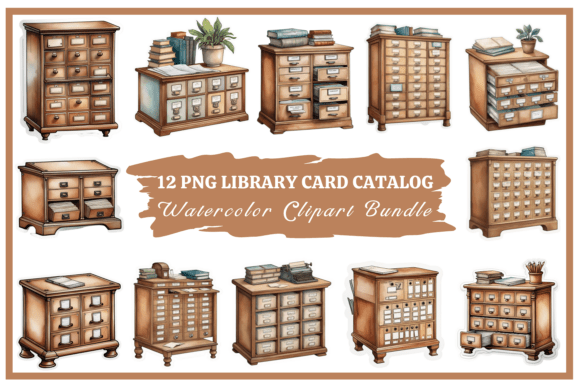
Cozy Library Card Catalog Watercolor Bundle
Step back into the charm of vintage libraries with this Library Card Catalog Watercolor Bundle, a set of 12 beautifully hand-painted illustrations that evoke the warmth and nostalgia of old-fashioned library organization. Designed for creators who value both aesthetics and usability, this collection blends cozy aesthetics with timeless design, offering high-resolution PNGs with transparent backgrounds for seamless integration into a variety of creative projects.
Why This Bundle Matters in Modern Graphic Design
In today's fast-paced digital landscape, visual storytelling plays a crucial role in capturing attention and conveying messages effectively. The Library Card Catalog Watercolor Bundle provides a unique way to infuse your designs with a sense of history, elegance, and warmth. These illustrations are more than just decorative elements—they serve as powerful tools for enhancing brand identity, creating emotional connections, and improving user engagement across various platforms.
Whether you're working on branding, editorial design, or social media content, incorporating vintage-inspired visuals can help differentiate your work from the competition. The soft watercolor textures and nostalgic appeal of these cliparts make them especially well-suited for projects that aim to evoke a sense of comfort, learning, or tradition.
Practical Applications Across Creative Fields
The versatility of this bundle makes it an excellent addition to any designer’s toolkit. Here are some practical applications where these illustrations can shine:
- Branding and Logo Design: Use these cliparts as background elements or icons to create a warm, scholarly vibe for bookstores, educational institutions, or creative agencies.
- Social Media Graphics: Incorporate them into posts, stories, or banners to add a touch of visual interest and theme consistency for book-related content.
- Website and UI Design: These assets can be used to enhance navigation menus, headers, or sidebar sections, providing a subtle yet effective visual anchor.
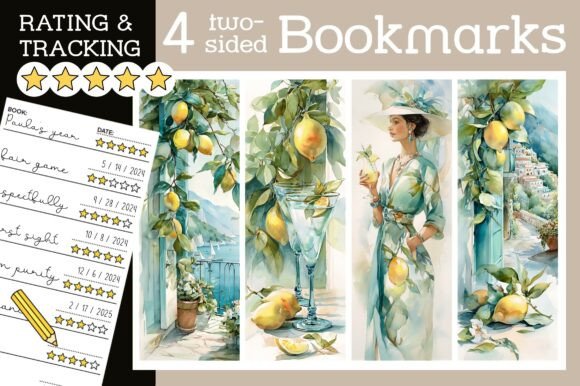
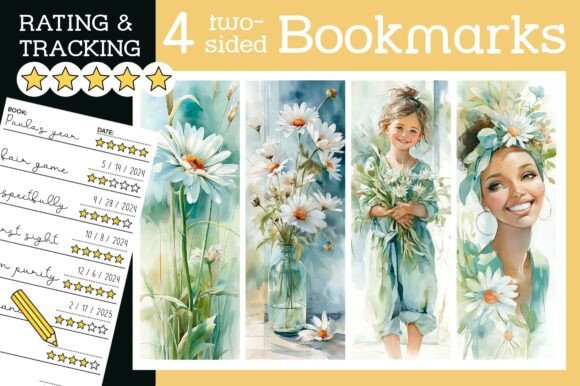
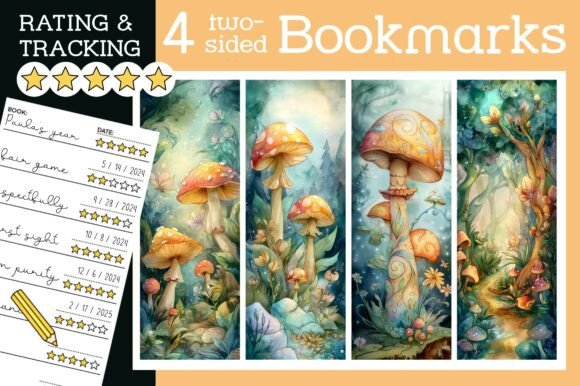
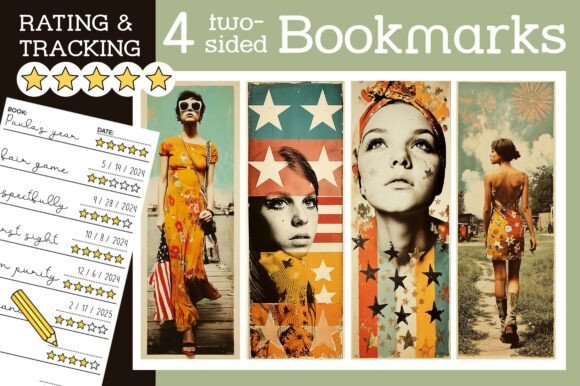
- Print Design and Packaging: Ideal for creating themed merchandise, such as bookmarks, stationery, or packaging for literary-themed products.
Design Tips for Maximum Impact
To ensure that these watercolor cliparts contribute to a polished and professional look, consider the following tips when integrating them into your projects:
Consistency is Key: When using multiple cliparts from the bundle, maintain a consistent style and color palette to avoid visual clutter. Pair them with complementary fonts and colors to reinforce your brand identity.
Scalability and Readability: While the PNGs are high-resolution, always test how they appear at different sizes, especially if they will be used in print or across multiple screen sizes. Ensure that text overlays or other design elements remain legible against the watercolor textures.
Visual Hierarchy: Use these illustrations strategically to guide the viewer’s eye through your design. Place them in areas that support your message without overpowering it. For example, use them as accents in sidebars or footers rather than as focal points on landing pages.
Compatibility with Brand Systems: If you're working within an existing brand system, evaluate how these assets align with your current color schemes, typography, and overall aesthetic. Adjustments may be needed to ensure harmony and cohesion.
Enhancing Creativity with Timeless Visual Elements
The Library Card Catalog Watercolor Bundle isn't just about adding a retro feel—it's about enhancing the narrative of your project. Whether you're designing a book-themed blog, crafting marketing materials for an educational platform, or developing a line of printable stationery, these illustrations offer a meaningful way to connect with your audience on an emotional level.
By thoughtfully selecting and applying these assets, you can elevate the visual quality of your work while maintaining a strong connection to your brand’s core values and creative vision. Quality design choices like these don’t just improve aesthetics—they also enhance communication, engagement, and the overall user experience.